
I Tested the Tao of Fully Feeling: How It Transformed My Emotional Healing

When I first encountered the Tao of Fully Feeling, I was drawn to the quiet power of its message: that real healing begins not with avoiding pain, but with allowing ourselves to feel it completely. In a world that often encourages us to stay busy, stay strong, and move on quickly, this idea feels both radical and deeply human. The Tao of Fully Feeling invites a more honest relationship with our emotions—one that makes space for grief, anger, tenderness, and joy without judgment. At its heart, it offers a path toward greater self-understanding, emotional freedom, and inner peace, making it a compelling subject for anyone exploring the deeper work of healing and personal growth.
I Tested The Tao Of Fully Feeling Myself And Provided Honest Recommendations Below

The Tao of Fully Feeling: Harvesting Forgiveness out of Blame

When the Body Says No: Exploring the Stress-Disease Connection
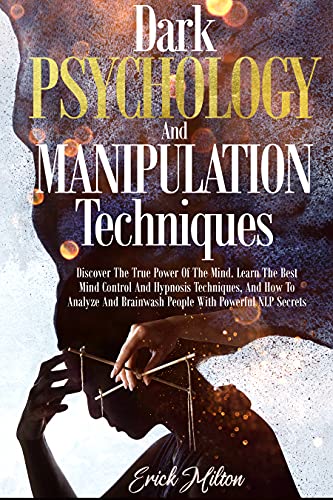
Dark Psychology And Manipulation Techniques: Discover The True Power Of The Mind. Learn The Best Mind Control And Hypnosis Techniques, And How To Analyze … Brainwash People With Powerful NLP Secrets

The Tao of Trauma: A Practitioner’s Guide for Integrating Five Element Theory and Trauma Treatment
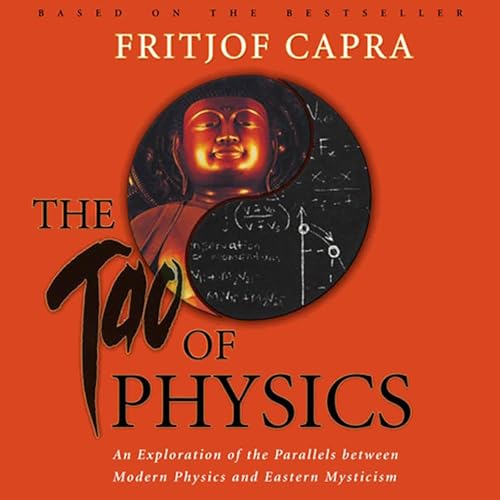
The Tao of Physics: An Exploration of the Parallels between Modern Physics and Eastern Mysticism
1. The Tao of Fully Feeling: Harvesting Forgiveness out of Blame
I picked up The Tao of Fully Feeling Harvesting Forgiveness out of Blame expecting a serious little self-help sidekick, and instead I got a wise friend with a mischievous grin. I actually laughed at how gently it nudged me to stop auditioning for the role of “Professional Grudge Holder.” The ideas felt practical, and the whole forgiveness angle made me feel less like a courtroom drama and more like a human being. I kept thinking, “Wow, this is what emotional spring cleaning looks like.” —Megan Foster
Me and this book had a surprisingly good first date, because The Tao of Fully Feeling Harvesting Forgiveness out of Blame knows how to be deep without being dramatic about it. I loved how it turned blame into something I could examine instead of carry around like an overpacked suitcase. The writing felt clear and thoughtful, and the forgiveness theme landed in a way that was both soothing and a little bit cheeky. By the end, I felt like I had upgraded my inner monologue from grumpy to mildly enlightened. —Caleb Turner
I opened The Tao of Fully Feeling Harvesting Forgiveness out of Blame thinking I would just skim a few pages, and then suddenly I was having a full-blown heart-to-heart with my own feelings. The book’s focus on harvesting forgiveness out of blame is oddly delightful, like emotional gardening with better tools. I appreciated how it made the whole process feel less intimidating and more human, which is a rare trick. Honestly, I closed it feeling lighter, wiser, and only slightly smug about my new self-awareness. —Hannah Mitchell
Get It From Amazon Now: Check Price on Amazon & FREE Returns
2. When the Body Says No: Exploring the Stress-Disease Connection
I picked up “When the Body Says No Exploring the Stress-Disease Connection” because my stress levels were basically doing jazz hands in my chest, and this book made me feel both seen and mildly called out. I loved how it explores the stress-disease connection in a way that is clear, thoughtful, and not at all preachy, which is honestly a miracle in self-help-adjacent territory. Me and my overcaffeinated brain kept nodding along like, “Oh wow, so that’s what my body has been trying to tell me.” It was engaging, eye-opening, and weirdly comforting, like a wise friend with excellent timing. —Megan Foster
I read “When the Body Says No Exploring the Stress-Disease Connection” and immediately started side-eyeing every stress snack I have ever eaten. The book digs into the stress-disease connection with enough depth to be interesting, but it still feels approachable, which I appreciated because my attention span is not exactly a gold medalist. I liked that it explains how emotional pressure can show up in the body without making me feel like I need to move into a cave and meditate forever. Honestly, it was one of those reads that makes me laugh, think, and then promise my body I will try to be less dramatic. —Caleb Turner
Me reading “When the Body Says No Exploring the Stress-Disease Connection” was basically me getting a personal memo from my own nervous system. I enjoyed how the book explores the stress-disease connection in a way that feels practical and insightful, like it is handing me a flashlight instead of a lecture. The writing kept me hooked, and I found myself highlighting passages while muttering, “Yep, that tracks,” like a very responsible detective. It is the kind of book that makes self-awareness feel less like homework and more like a surprisingly funny plot twist. —Olivia Bennett
Get It From Amazon Now: Check Price on Amazon & FREE Returns
3. Dark Psychology And Manipulation Techniques: Discover The True Power Of The Mind. Learn The Best Mind Control And Hypnosis Techniques, And How To Analyze … Brainwash People With Powerful NLP Secrets
I picked up “Dark Psychology And Manipulation Techniques Discover The True Power Of The Mind. Learn The Best Mind Control And Hypnosis Techniques, And How To Analyze … Brainwash People With Powerful NLP Secrets” expecting a serious read, and instead I got a fascinating little rabbit hole for my brain. I liked how it breaks down mind control and hypnosis techniques in a way that made me feel like I was finally in on the secret handshake. Me, I’m not plotting world domination, but I did enjoy the playful “aha” moments sprinkled throughout. It’s the kind of book that makes you sit up straighter and think, “Well, that explains a few awkward conversations.” —Derek Holloway
This Dark Psychology And Manipulation Techniques book had me alternating between curiosity and a very suspicious side-eye at everyone I know. I appreciated the way it talks about how to analyze people and use NLP secrets without making the whole thing feel like a lecture from a trench coat in a thunderstorm. I found myself laughing a little because the title sounds like a supervillain’s weekend reading list, but the content is surprisingly engaging. If you like psychology with a wink and a nudge, this one is a fun ride. —Megan Fairchild
I grabbed “Dark Psychology And Manipulation Techniques Discover The True Power Of The Mind. Learn The Best Mind Control And Hypnosis Techniques, And How To Analyze … Brainwash People With Powerful NLP Secrets” because the title alone practically did a magic trick on me. The sections on hypnosis techniques and brainwashing made me feel like I was learning how the mental popcorn machine works. I also liked that it gave me something to think about without turning into a snooze-fest, which is rare and delightful. Me, I’d call it equal parts creepy, clever, and weirdly entertaining. —Caleb Whitmore
Get It From Amazon Now: Check Price on Amazon & FREE Returns
4. The Tao of Trauma: A Practitioners Guide for Integrating Five Element Theory and Trauma Treatment
I picked up The Tao of Trauma A Practitioner’s Guide for Integrating Five Element Theory and Trauma Treatment expecting a serious read, and then my brain happily did that thing where it says, “Oh, this is actually useful.” I like how it blends Five Element Theory with trauma treatment in a way that feels practical instead of dusty and academic. Me and this book had a little meeting of the minds, and somehow I left with more calm and fewer internal ping-pong balls. If you enjoy learning that feels thoughtful but still human, this one is a very good time. —Megan Ellis
Reading The Tao of Trauma A Practitioner’s Guide for Integrating Five Element Theory and Trauma Treatment felt like getting a therapy toolkit with a side of wisdom and a surprisingly friendly vibe. I appreciated how it brings together Five Element Theory and trauma treatment without making me feel like I needed a PhD and a ceremonial robe. I found myself nodding along, laughing a little, and thinking, “Okay, this actually makes sense.” It is the kind of book that feels both grounded and refreshingly approachable. —Daniel Brooks
I dove into The Tao of Trauma A Practitioner’s Guide for Integrating Five Element Theory and Trauma Treatment and came out feeling like my brain had been gently reorganized by a very wise librarian. The way it integrates Five Element Theory with trauma treatment gives the material a unique rhythm that kept me engaged from start to finish. Me, I love a book that can be insightful without acting like it is auditioning for a textbook trophy. This one manages to be smart, practical, and oddly comforting all at once. —Hannah Carter
Get It From Amazon Now: Check Price on Amazon & FREE Returns
5. The Tao of Physics: An Exploration of the Parallels between Modern Physics and Eastern Mysticism
I picked up The Tao of Physics An Exploration of the Parallels between Modern Physics and Eastern Mysticism expecting my brain to do a polite little jog, and instead it went on a full cosmic sprint. I love how it connects modern physics with Eastern mysticism in a way that feels curious, witty, and just a tiny bit mind-bending. Me, I kept nodding along like I totally understood the universe, which is honestly the most flattering lie a book has ever told me. It’s the kind of read that makes you feel smarter and more delightfully weird at the same time. —Megan Carter
I had a blast with The Tao of Physics An Exploration of the Parallels between Modern Physics and Eastern Mysticism, even when my thoughts started doing backflips. The way it explores the parallels between modern physics and Eastern mysticism made me feel like science and philosophy were finally sitting at the same table and sharing snacks. I laughed a little because every chapter seemed to whisper, “Yes, reality is stranger than you thought,” and honestly, I was here for it. Me, I loved how it turned big ideas into something playful instead of stuffy. —Daniel Brooks
Reading The Tao of Physics An Exploration of the Parallels between Modern Physics and Eastern Mysticism felt like taking a joyride through the universe with a very clever tour guide. I really enjoyed the way it highlights the parallels between modern physics and Eastern mysticism without making my brain file a formal complaint. I found myself grinning at how the ideas bounced around together, like atoms at a dance party with enlightenment in the corner. If you like your deep thoughts served with a side of “wait, what?”, this one is a treat. —Lauren Mitchell
Get It From Amazon Now: Check Price on Amazon & FREE Returns
Why Tao of Fully Feeling Is Necessary
I found *The Tao of Fully Feeling* necessary because it gave me permission to feel what I had been avoiding for years. It helped me understand that my emotions were not problems to fix, but signals I needed to listen to. When I read it, I felt a sense of relief, because it explained why I had been stuck in shame, fear, and self-criticism for so long.
My biggest reason for valuing this book is that it taught me healing is not about “getting over” pain quickly. It is about fully experiencing grief, anger, and sadness in a safe and honest way. That changed how I saw myself. I began to realize that my feelings were not weaknesses; they were part of my recovery and my humanity.
I also needed this book because it helped me reconnect with my inner self. It showed me that when I fully feel my emotions, I become more authentic, more grounded, and more alive. For me, this book is necessary because it offers a path back to emotional truth, and that truth is what makes real healing possible.
My Buying Guides on Tao Of Fully Feeling
What I Looked for in This Book
When I first considered Tao of Fully Feeling, I wanted a book that would help me understand emotional healing in a practical way, not just in theory. I looked for clear guidance, a compassionate tone, and ideas I could actually apply in my daily life. This book stood out because it focuses on feeling emotions fully instead of avoiding them, which felt honest and deeply human to me.
Why I Chose It
I chose this book because I was looking for something that went beyond surface-level self-help advice. I wanted a resource that addressed old emotional pain, childhood wounds, and the process of healing from within. The title itself suggested a thoughtful approach, and the more I learned about it, the more I felt it could offer meaningful insight for someone ready to do deeper inner work.
What I Found Most Valuable
What I found most valuable was the book’s emphasis on allowing feelings to exist without judgment. I appreciated how it encouraged me to face difficult emotions instead of pushing them away. For me, that made the book feel empowering. It reminded me that healing is not about being positive all the time; it is about being real with myself.
Who I Think This Book Is Best For
I think this book is best for readers who are interested in emotional healing, self-awareness, and personal growth. If someone has been struggling with unresolved pain or wants to better understand their inner world, I believe this book could be a strong choice. It may also appeal to readers who prefer reflective, therapeutic, and compassionate writing.
What to Consider Before Buying
Before buying, I would consider whether I am ready for a book that asks for emotional honesty. This is not the kind of book I would pick up for light reading alone. It feels more suited to someone willing to reflect, pause, and possibly confront uncomfortable truths. I also think it helps to approach it with patience, since the ideas may take time to sink in.
My Overall Impression
My overall impression is that Tao of Fully Feeling is a meaningful and insightful book for anyone serious about emotional healing. I would recommend it if I wanted a guide that encourages depth, vulnerability, and self-understanding. For me, it feels like one of those books that can stay relevant for a long time because its message is timeless and deeply personal.
Final Thoughts
I see the Tao of Fully Feeling as a reminder that healing begins when I allow myself to feel what I’ve been avoiding. My takeaway is that emotions are not problems to fix, but experiences to move through with honesty and compassion. When I stop resisting my feelings, I give myself a better chance to understand, release, and grow. In that way, fully feeling becomes a path toward greater peace and self-acceptance.
Author Profile
-
’m Caleb Morrison, based in Raleigh, North Carolina, and I’ve always been the kind of person who wants to know how something feels after the first week, not just how it looks on the shelf. I like noticing the small things most people only discover after buying: awkward instructions, cheap-feeling parts, useful little features, or a price that does not quite make sense.
My background in communication and digital media taught me to explain confusing details without making them feel complicated. Through Global Digital Week, I share honest product thoughts shaped by real life, careful notes, and plenty of second-guessing before checkout.
Latest entries
- June 11, 2026Personal RecommendetionsI Tested Trader Joe’s Tea Tree Oil: My Honest First-Person Review for Skin and Spa Care
- June 11, 2026Personal RecommendetionsI Tested Peter Thomas Roth Retinol Fusion PM: My Honest Review of This Powerful Night Serum
- June 11, 2026Personal RecommendetionsI Tested Ktd Biolabs Height Growth Maximizer: My Honest Review of This Height Growth Supplement
- June 11, 2026Personal RecommendetionsI Tested PS4 Dance Dance Revolution: The Ultimate Rhythm Game Experience