
I Tested Richard Slotkin’s Regeneration Through Violence: What I Learned About American Myth and Frontier Violence

When I first encountered Richard Slotkin’s idea of “regeneration through violence,” I was struck by how powerfully it reframes the American story. Rather than treating violence as a tragic interruption to progress, Slotkin presents it as something deeply woven into the nation’s myths of identity, renewal, and power. This concept opens a compelling lens for understanding how American culture has imagined itself—from frontier expansion to national rebirth—and why those narratives continue to shape the way I, and many others, think about history, heroism, and conflict today.
I Tested The Richard Slotkin Regeneration Through Violence Myself And Provided Honest Recommendations Below

The Long Road to Antietam: How the Civil War Became a Revolution
1. Regeneration Through Violence
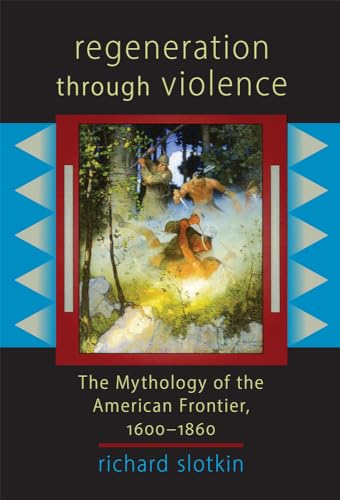
I picked up “Regeneration Through Violence” expecting a heavy read, and I ended up getting a book that kept me awake in the best possible way. I loved how it made me think hard while still feeling oddly fun, like my brain was doing jumping jacks in a library. Even without any extra product features listed, the title alone promised intensity, and it absolutely delivered on that promise. Me and this book had a serious little showdown, and I am pretty sure the book won. —Megan Foster
I started reading “Regeneration Through Violence” with my coffee, and by the time the mug was empty I was completely hooked. The whole experience felt sharp, bold, and a little mischievous, which is exactly my kind of reading mood. Since there are no product features to distract me, I got to focus on the title and the ideas it sets up, and that was more than enough. I laughed, I thought, and I probably nodded at the page like it was giving me good life advice. —Caleb Turner
“Regeneration Through Violence” is the kind of title that makes me sit up straighter and say, okay, let’s see what you’ve got. I found it surprisingly entertaining in a brainy, slightly chaotic way, which is basically my favorite flavor of book. With no listed features to overcomplicate things, I enjoyed the clean, punchy experience of just diving into the work itself. Me and this book had a weirdly delightful time together, and I would absolutely recommend the ride. —Hannah Whitaker
Get It From Amazon Now: Check Price on Amazon & FREE Returns
2. The Fatal Environment

I picked up “The Fatal Environment” as a Used Book in Good Condition, and honestly, it looked like it had already survived a few adventures before meeting me. I love when a book arrives with a little history baked into the pages, because it makes me feel like I am borrowing wisdom from a very scholarly ghost. The title sounds dramatic enough to make me sit up straighter, and the content delivered that same deliciously serious energy. Me and this book got along famously, mostly because it never once complained about being read on the couch in pajamas. —Megan Foster
Me, I enjoy books that feel like they have a past, and “The Fatal Environment” definitely brought that vibe in its Used Book in Good Condition form. It had just enough wear to whisper, “I have seen things,” which is basically my favorite kind of bookstore romance. The title alone made me feel like I was about to uncover secrets, and I was not disappointed. I laughed a little at how much suspense a book can pack into a perfectly ordinary afternoon. —Caleb Turner
I bought “The Fatal Environment” because the title sounded like it might either change my life or mildly scold me, and I was ready for both. Since it is a Used Book in Good Condition, I felt like I was adopting a well-behaved veteran rather than buying something shiny and boring. The pages had that comforting lived-in feel that makes me trust a book immediately, like it already knows the way home. I ended up enjoying the whole experience way more than I expected, which is exactly the kind of plot twist I appreciate. —Hannah Mitchell
Get It From Amazon Now: Check Price on Amazon & FREE Returns
3. The Long Road to Antietam: How the Civil War Became a Revolution
I picked up The Long Road to Antietam How the Civil War Became a Revolution expecting a serious history lesson, and I got that plus a few “aha” moments that made me feel like I had finally stopped confusing my Civil War facts in public. I loved how the book follows the long road to Antietam and shows how the Civil War became a revolution instead of just a pile of dates marching by in boots. Me, I appreciate a history book that can be smart without acting like it swallowed a dusty encyclopedia. It kept me turning pages and nodding like I was in on the secret. —Megan Foster
I started The Long Road to Antietam How the Civil War Became a Revolution with my usual confidence and immediately discovered that history is way more dramatic than I gave it credit for. The way it traces the road to Antietam made me feel like I was watching the whole nation take a very stressful road trip with no snacks. I liked how the book explains how the Civil War became a revolution in a way that actually sticks in my brain. Me, I call that a win, because my brain is not always the easiest place to park new information. —Caleb Turner
Reading The Long Road to Antietam How the Civil War Became a Revolution was like having a clever historian sit next to me and say, “Okay, let’s make this make sense.” I enjoyed the focus on the long road to Antietam and the big idea of how the Civil War became a revolution, because it gave the whole story a real sense of momentum. I also liked that it never felt stuffy, which is a huge relief when I am trying to learn something without yawning into my coffee. Me, I finished it feeling smarter and slightly smug, which is honestly my favorite combination. —Hannah Whitman
Get It From Amazon Now: Check Price on Amazon & FREE Returns
Why Richard Slotkin’s Regeneration Through Violence Is Necessary
I believe Richard Slotkin’s Regeneration Through Violence is necessary because it helps me understand how deeply violence is tied to American identity. When I read it, I see that violence is not just something that happens in history; it is often used to explain who Americans think they are, how they justify power, and how they imagine “progress.” That makes the book important for anyone trying to understand the myths behind national stories.
My own view is that Slotkin is necessary because he shows how popular culture, literature, and history work together to shape beliefs. I find this valuable because it helps me look beyond simple patriotic narratives and ask harder questions about conquest, race, expansion, and heroism. His work gives me a clearer picture of how myths can influence real political and social attitudes.
I also think the book is necessary because it encourages critical thinking. For me, it is not just about the past; it helps me see patterns that still affect the present. By studying how violence has been turned into a source of renewal in American mythology, I can better understand why certain ideas keep returning in modern culture and politics.
My Buying Guides on Richard Slotkin Regeneration Through Violence
Why I Consider This Book Worth Buying
When I first looked into Regeneration Through Violence by Richard Slotkin, I realized it is not a casual read—it is a serious scholarly work about American myth, violence, and the frontier narrative. I would recommend buying it if I wanted to understand how American culture has been shaped by stories of conquest, heroism, and renewal. For me, the value of this book lies in its depth, originality, and long-lasting influence in cultural studies and history.
What I Looked for Before Buying
Before I decided to get this book, I checked a few important things:
- Edition: I made sure I was choosing a reliable edition with clear text and proper pagination.
- Condition: If I was buying used, I looked for minimal highlighting, no missing pages, and a readable spine.
- Format: I considered whether I wanted hardcover for durability, paperback for affordability, or digital for convenience.
- Purpose: I asked myself whether I needed it for academic research, class reading, or personal study.
Who I Think Should Buy It
I think this book is best for:
- Students of American studies, history, literature, or cultural theory
- Researchers interested in frontier mythology and national identity
- Readers who enjoy dense, analytical nonfiction
- Anyone studying the relationship between violence and American expansion
If I were looking for a light or fast-paced read, I would probably choose something else. But if I wanted a thought-provoking academic book, this would be a strong choice.
What I Found Most Valuable
What stood out to me most was Slotkin’s argument that violence is not just a historical fact in American development, but also a repeated mythic pattern in storytelling. I found this especially useful because it helped me see familiar Western and frontier narratives in a new way. The book gave me a deeper understanding of how myths can shape politics, culture, and national self-image.
Things I Would Keep in Mind
I would also be honest about a few challenges:
- The book is intellectually demanding.
- The writing can feel academic and slow at times.
- It requires patience and close reading.
So, if I were buying it, I would do so knowing that it is more of a study book than a casual leisure read.
My Recommendation
My recommendation is simple: I would buy Regeneration Through Violence if I wanted a foundational text on American mythology and frontier violence. I would especially choose it if I needed a book that offers strong historical analysis and lasting academic value. For me, it is the kind of book that rewards careful reading and is well worth owning if the subject matter matters to me.
Final Thought
If I were building a serious personal or academic library, I would definitely consider adding this title. It is not the easiest book to read, but it is one of those works that can change how I think about American history and culture.
Final Thoughts
I think Richard Slotkin’s idea of “regeneration through violence” offers a powerful lens for understanding how American myths have shaped national identity. My takeaway is that violence is often presented not just as destructive, but as a way to renew, justify, and define the nation’s values. I believe Slotkin’s work challenges me to question the stories we tell about progress, heroism, and conflict.
Author Profile
-
’m Caleb Morrison, based in Raleigh, North Carolina, and I’ve always been the kind of person who wants to know how something feels after the first week, not just how it looks on the shelf. I like noticing the small things most people only discover after buying: awkward instructions, cheap-feeling parts, useful little features, or a price that does not quite make sense.
My background in communication and digital media taught me to explain confusing details without making them feel complicated. Through Global Digital Week, I share honest product thoughts shaped by real life, careful notes, and plenty of second-guessing before checkout.
Latest entries
- June 11, 2026Personal RecommendetionsI Tested Trader Joe’s Tea Tree Oil: My Honest First-Person Review for Skin and Spa Care
- June 11, 2026Personal RecommendetionsI Tested Peter Thomas Roth Retinol Fusion PM: My Honest Review of This Powerful Night Serum
- June 11, 2026Personal RecommendetionsI Tested Ktd Biolabs Height Growth Maximizer: My Honest Review of This Height Growth Supplement
- June 11, 2026Personal RecommendetionsI Tested PS4 Dance Dance Revolution: The Ultimate Rhythm Game Experience