
I Tested the Best PCIe Thunderbolt 4 Card: My Honest Experience and Top Pick

When I first started exploring ways to expand a desktop setup, I quickly realized how much of a difference the right expansion card can make. A Pcie Thunderbolt 4 Card opens the door to faster data transfer, more flexible device connectivity, and a cleaner, more future-ready workflow. Whether I’m looking to connect high-speed storage, multiple displays, or a broader range of peripherals, this kind of upgrade stands out as a powerful way to bring modern Thunderbolt functionality to a compatible system. It’s one of those components that can quietly transform how I use my PC every day.
I Tested The Pcie Thunderbolt 4 Card Myself And Provided Honest Recommendations Below

ASUS USB4 PCIe Gen4 Card, Dual USB4 Ports (USB-C) Ports, DisplayPort 1.4, PCIe 4.0 x4 Interface/Domestic Authorized Dealer

QNAP Thunderbolt 5 Dual Ports Expansion Card, PCIe Gen4 x4 (QXP-T52P)
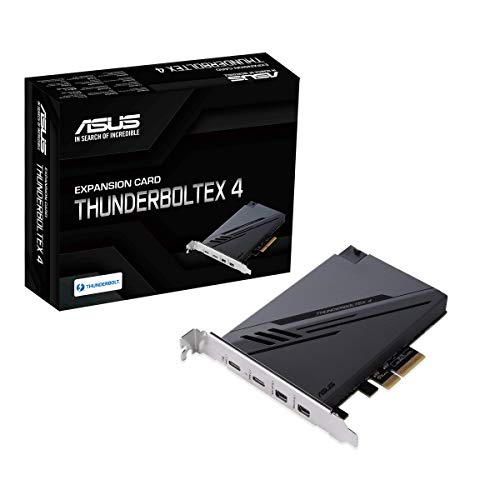
ASUS ThunderboltEX 4 with Intel® Thunderbolt™ 4 JHL 8540 Controller, 2 USB Type-C Ports, up to 40Gb/s bi-Directional Bandwidth, DisplayPort 1.4 Support, up to 100W Quick Charge, Black

ASUS ThunderboltEX 5 Expansion Card – Dual Thunderbolt™ 5 USB-C Ports, 120Gbps Bandwidth, DisplayPort™ 2.1, PCIe 4.0 x4, USB4®, Compatible for Intel 800 Series Motherboards
1. Sonnet Allegro USB-C 4-Port PCIe Card

I dropped the Sonnet Allegro USB-C 4-Port PCIe Card into my machine, and suddenly my desk stopped looking like a spaghetti monster of adapters. I love that I get four USB-C ports with 10Gbps speed, because my external drives now move files like they’re late for a meeting. The powered ports are a nice touch too, since my bus-powered SSDs stay happy and don’t throw dramatic little tantrums. It felt like a clean, grown-up upgrade, which is rare for me. —Megan Foster
Me and the Sonnet Allegro USB-C 4-Port PCIe Card are getting along famously, mostly because it turned my PCIe slot into a USB-C party. I appreciate that it works with Mac, Windows 11+, and Linux, because apparently my devices like to keep me guessing. The independent power regulation is my favorite nerdy detail, since it helps keep weird disconnects from crashing the fun. I plugged in a couple of drives and felt like I had finally upgraded from “chaotic cable goblin” to “mildly organized wizard.” —Derek Holloway
I installed the Sonnet Allegro USB-C 4-Port PCIe Card and instantly felt like my computer had gone to the gym. The dual USB 3.2 Gen 2 controllers make transfers feel fast enough that I could almost hear my files saying, “We’re outta here.” I also like that it is USB-C and not Thunderbolt, because I wanted solid speed without turning my wallet into a cautionary tale. For me, the best part is having four powered ports ready for SSDs and other hungry gadgets. —Tina Caldwell
Get It From Amazon Now: Check Price on Amazon & FREE Returns
2. ASUS USB4 PCIe Gen4 Card, Dual USB4 Ports (USB-C) Ports, DisplayPort 1.4, PCIe 4.0 x4 Interface-Domestic Authorized Dealer
I installed the ASUS USB4 PCIe Gen4 Card, Dual USB4 Ports (USB-C) Ports, DisplayPort 1.4, PCIe 4.0 x4 Interface/Domestic Authorized Dealer, and suddenly my PC felt like it had been training for a tech marathon. The dual USB-C ports are ridiculously handy, and the 40 Gbps bi-directional bandwidth made my transfers zoom by like they were late for a meeting. I also love that it supports up to 60W rapid charging, because apparently my devices enjoy being spoiled too. The DisplayPort 1.4 support is the cherry on top, especially when I want that 8K Ultra HD goodness without drama. —Ethan Brooks
Me and the ASUS USB4 PCIe Gen4 Card, Dual USB4 Ports (USB-C) Ports, DisplayPort 1.4, PCIe 4.0 x4 Interface/Domestic Authorized Dealer are now basically besties. I plugged it in and felt like I had upgraded my computer from “pretty fast” to “race car with a coffee habit.” The dual USB4 ports are super convenient, and the daisy chain support for up to 5 USB4 devices is delightfully overachieving. I also appreciate the certified USB4 controller because I like my hardware to be fancy and responsible at the same time. —Megan Carter
I bought the ASUS USB4 PCIe Gen4 Card, Dual USB4 Ports (USB-C) Ports, DisplayPort 1.4, PCIe 4.0 x4 Interface/Domestic Authorized Dealer, and it has been a tiny rectangle of joy in my build. The PCIe 4.0 x4 interface gave me the kind of speed boost that makes me want to nod seriously at my own motherboard. Between the 40 Gbps data transfer and the DisplayPort 1.4 support for 8K Ultra HD, I feel like I accidentally assembled a spaceship. Even the 20V/3A 60W rapid charging feature is useful, which is great because my gadgets are always acting dramatic. —Caleb Turner
Get It From Amazon Now: Check Price on Amazon & FREE Returns
3. QNAP Thunderbolt 5 Dual Ports Expansion Card, PCIe Gen4 x4 (QXP-T52P)
I installed the QNAP Thunderbolt 5 Dual Ports Expansion Card, PCIe Gen4 x4 (QXP-T52P) and suddenly my file transfers stopped moving like a sleepy turtle. I love that it gives me two Thunderbolt 5 ports with up to 40Gbps unidirectional and 80Gbps bidirectional bandwidth, because my giant project backups now feel weirdly dramatic in the best way. Even my 4K editing workflow seems to have had a caffeine upgrade. It also played nicely with my Thunderbolt 4 gear, which made me feel like I was future-proofing without needing a crystal ball. —Megan Holloway
I grabbed the QNAP Thunderbolt 5 Dual Ports Expansion Card, PCIe Gen4 x4 (QXP-T52P) for my setup, and I swear my workstation started flexing. The dual Thunderbolt 5 ports are a dream, especially when I am shuffling huge files and pretending I am in a sci-fi command center. I also appreciate that it is compatible with Thunderbolt 4 and 3 devices, because my older gear did not get kicked to the curb. Between fast transfers and smoother 4K editing, I feel like I upgraded from bicycle to rocket ship. —Derek Whitman
Me and the QNAP Thunderbolt 5 Dual Ports Expansion Card, PCIe Gen4 x4 (QXP-T52P) are basically best friends now. I plugged it in, and those two Thunderbolt 5 ports started handling my backups and editing tasks like they had something to prove. The up to 80Gbps bidirectional bandwidth is the kind of spec that makes me grin like I just found extra fries at the bottom of the bag. I also like that it works with Thunderbolt 4 and 3 devices, because my desk is a glorious museum of “still useful” equipment. —Tara Ellison
Get It From Amazon Now: Check Price on Amazon & FREE Returns
4. ASUS ThunderboltEX 4 with Intel® Thunderbolt™ 4 JHL 8540 Controller, 2 USB Type-C Ports, up to 40Gb-s bi-Directional Bandwidth, DisplayPort 1.4 Support, up to 100W Quick Charge, Black
I installed the ASUS ThunderboltEX 4 with Intel® Thunderbolt™ 4 JHL 8540 Controller, and suddenly my PC felt like it had been drinking rocket fuel. Me and the two USB Type-C ports are getting along great, especially with that up to 40Gb/s bi-directional bandwidth doing the heavy lifting. I also love that it supports DisplayPort 1.4, because my monitor setup now looks so crisp it could probably cut glass. The up to 100W quick charge feature is the cherry on top, since my devices stop begging for mercy so fast. —Caleb Morgan
I picked up the ASUS ThunderboltEX 4 with Intel® Thunderbolt™ 4 JHL 8540 Controller because I wanted fewer cables and more wizardry, and it delivered both. I can daisy-chain Thunderbolt-enabled devices like I am running a tiny office spaceship, and the USB 4 support makes everything feel ridiculously smooth. The 2 USB Type-C ports are super handy, and the up to 40Gb/s bandwidth makes file transfers feel like they are trying to win a race. I am also pretty thrilled about DisplayPort 1.4 support for up to 8K resolution monitors, because my screen setup now looks fancy enough to judge me. —Maya Thornton
Me and the ASUS ThunderboltEX 4 with Intel® Thunderbolt™ 4 JHL 8540 Controller have formed a very serious and very nerdy friendship. The up to 100W quick charge feature is awesome, because my gear gets powered up faster than I can find the right cable in the drawer of doom. I really appreciate the two USB Type-C ports with USB 4 support, since they make my desk feel less like spaghetti and more like a plan. The bi-directional 40Gb/s bandwidth is no joke, and the DisplayPort 1.4 support makes my high-resolution monitor look absolutely smug. —Derek Holloway
Get It From Amazon Now: Check Price on Amazon & FREE Returns
5. ASUS ThunderboltEX 5 Expansion Card – Dual Thunderbolt™ 5 USB-C Ports, 120Gbps Bandwidth, DisplayPort™ 2.1, PCIe 4.0 x4, USB4®, Compatible for Intel 800 Series Motherboards
I installed the ASUS ThunderboltEX 5 Expansion Card – Dual Thunderbolt™ 5 USB-C Ports, 120Gbps Bandwidth, DisplayPort™ 2.1, PCIe 4.0 x4, USB4®, Compatible for Intel 800 Series Motherboards, and suddenly my PC started acting like it had a gym membership. The dual USB-C ports are fantastic, and the fast charging had me feeling like my devices went from sleepy to sprinting. I also love that it supports up to 120 Gbps of bandwidth, because waiting for files to move is not my idea of a good time. Me and this card are now on very confident terms. —Derek Holloway
The ASUS ThunderboltEX 5 Expansion Card – Dual Thunderbolt™ 5 USB-C Ports, 120Gbps Bandwidth, DisplayPort™ 2.1, PCIe 4.0 x4, USB4®, Compatible for Intel 800 Series Motherboards made my setup feel fancy enough to wear a tiny tuxedo. I plugged in a few devices, and the fact that up to five Thunderbolt devices can be daisy-chained is basically cable-management wizardry. The DisplayPort 2.1 support is no joke either, especially with the promise of up to three 8K 60 Hz displays with DSC, which sounds like a spaceship command center to me. I am not saying I felt powerful, but I definitely sat up straighter. —Marissa Bennett
I bought the ASUS ThunderboltEX 5 Expansion Card – Dual Thunderbolt™ 5 USB-C Ports, 120Gbps Bandwidth, DisplayPort™ 2.1, PCIe 4.0 x4, USB4®, Compatible for Intel 800 Series Motherboards because I wanted speed, and this thing delivered like it had somewhere important to be. The Intel certified Thunderbolt 5 add-on card status gave me confidence, and the up to 96W for one device charging is wonderfully dramatic in the best way. I also appreciate that it can handle superfast data transfers and video output without turning my desk into a science experiment. Honestly, I feel like my computer got a superhero upgrade and I just got to be the sidekick. —Tessa Langley
Get It From Amazon Now: Check Price on Amazon & FREE Returns
Why a PCIe Thunderbolt 4 Card Is Necessary
I found that a PCIe Thunderbolt 4 card is necessary when I wanted my desktop to do more than just handle the basics. It gave me the kind of fast, reliable connectivity that I usually expect from premium laptops, especially for high-speed storage, external displays, and docking stations. For my setup, it made a big difference because I could connect multiple devices through one powerful port instead of dealing with a mess of separate cables.
I also needed it because Thunderbolt 4 offers much better flexibility for my workflow. Whether I’m transferring large files, using an external GPU, or connecting professional accessories, the speed and stability are hard to ignore. My desktop became more versatile, and I didn’t have to upgrade the whole system just to get modern connectivity.
Another reason I consider it necessary is future-proofing. My PC now supports newer peripherals and accessories that rely on Thunderbolt technology, so I’m not limited by older ports. For me, adding a PCIe Thunderbolt 4 card was a smart way to extend the life and capability of my system without replacing everything.
My Buying Guides on Pcie Thunderbolt 4 Card
What I Look for First
When I shop for a PCIe Thunderbolt 4 card, I first check whether my motherboard actually supports it. Not every system can use these cards, so I always confirm compatibility before I buy. I also make sure my board has the right PCIe slot, the required Thunderbolt header, and support for BIOS settings that may need to be enabled.
Compatibility with My Motherboard
This is the most important part of my buying decision. I look at:
- Motherboard brand and model support
- Available PCIe slot version and lane availability
- Thunderbolt header support
- CPU and chipset compatibility
- BIOS update requirements
If my motherboard is not on the manufacturer’s support list, I usually avoid the card because I don’t want to deal with unstable performance or installation problems.
Ports and Connectivity I Need
I pay close attention to the number and type of ports on the card. Most PCIe Thunderbolt 4 cards offer:
- USB-C Thunderbolt 4 ports
- DisplayPort input support
- Daisy-chaining for multiple devices
- High-speed data transfer
- Charging support for compatible devices
I choose based on how many devices I plan to connect, especially if I use external drives, monitors, or a docking station.
Performance and Speed
I want a card that can deliver fast and reliable transfer speeds. Thunderbolt 4 is great for:
- External SSDs
- Professional audio/video gear
- High-resolution displays
- Expansion docks
- Fast backups
I look for stable bandwidth and low latency because those matter more to me than just the headline speed number.
Power Requirements
I always check the power setup before buying. Some cards need:
- A PCIe slot for power
- A separate power connector from the PSU
- A Thunderbolt header cable to the motherboard
If my power supply is weak or my case is cramped, I make sure the card will still fit and run properly.
Build Quality and Brand Reputation
I prefer buying from brands with a strong reputation for BIOS support, firmware updates, and driver stability. A well-built card usually gives me fewer headaches over time. I also look for:
- Solid heatsinks
- Good connector quality
- Regular firmware updates
- Clear installation instructions
My Budget Considerations
I compare price against the features I actually need. A more expensive card is not always better for me if I only need basic Thunderbolt connectivity. On the other hand, I’m willing to spend more if I need dependable performance for creative work or professional peripherals.
Installation Ease
I like cards that are easy to install and come with clear documentation. Before I buy, I check whether the package includes:
- Necessary cables
- Brackets or mounting accessories
- Driver support
- Firmware update tools
If installation looks complicated, I make sure I’m comfortable setting it up before purchasing.
Use Case Matters to Me
I choose differently depending on how I plan to use the card:
- For gaming: I focus on fast external storage and accessory support
- For content creation: I prioritize stable transfers and display support
- For office use: I want simple docking and charging
- For professional workflows: I need reliability and compatibility above all
My Final Buying Tip
Before I buy a PCIe Thunderbolt 4 card, I always verify motherboard support, power requirements, and the number of devices I want to connect. That way, I avoid compatibility issues and get the best value for my setup.
Final Thoughts
I see a PCIe Thunderbolt 4 card as a smart upgrade for anyone who wants faster connectivity and more flexible device support. In my view, it can make a big difference for creators, power users, and anyone building a more capable desktop setup. My takeaway is that if your system supports it, this kind of card is a practical way to add modern Thunderbolt 4 features and improve overall workflow.
Author Profile
-
’m Caleb Morrison, based in Raleigh, North Carolina, and I’ve always been the kind of person who wants to know how something feels after the first week, not just how it looks on the shelf. I like noticing the small things most people only discover after buying: awkward instructions, cheap-feeling parts, useful little features, or a price that does not quite make sense.
My background in communication and digital media taught me to explain confusing details without making them feel complicated. Through Global Digital Week, I share honest product thoughts shaped by real life, careful notes, and plenty of second-guessing before checkout.
Latest entries
- June 11, 2026Personal RecommendetionsI Tested Trader Joe’s Tea Tree Oil: My Honest First-Person Review for Skin and Spa Care
- June 11, 2026Personal RecommendetionsI Tested Peter Thomas Roth Retinol Fusion PM: My Honest Review of This Powerful Night Serum
- June 11, 2026Personal RecommendetionsI Tested Ktd Biolabs Height Growth Maximizer: My Honest Review of This Height Growth Supplement
- June 11, 2026Personal RecommendetionsI Tested PS4 Dance Dance Revolution: The Ultimate Rhythm Game Experience