
I Tested Iron On Fabric Backing: The Best Way to Strengthen and Finish Fabric Projects

I’ve always found that the smallest materials can make the biggest difference in a sewing or craft project, and Iron On Fabric Backing is a perfect example. Whether I’m reinforcing delicate fabric, adding stability to a design, or giving a project a cleaner, more durable finish, this versatile tool has a way of quietly improving the final result. It’s one of those practical essentials that can transform how fabric behaves, making creative work feel a little easier and a lot more polished.
I Tested The Iron On Fabric Backing Myself And Provided Honest Recommendations Below

Sulky Of America Cut Away Tender Touch Iron-On Backing White, 20″ by 36″, Plum Dandy (664-01)

PLANTIONAL Medium Weight White Iron-On Non-Woven Fusible Interfacing: 11.6″ x 30yd Medium Weight Non-Woven Interfacing Iron On Polyester Single-Sided Interfacing for DIY Crafts Supplies
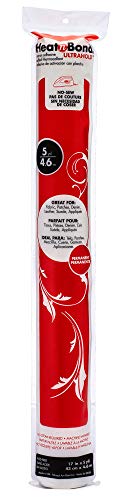
HeatnBond UltraHold Iron-On Adhesive Value Pack, 17 Inches x 5 Yards, White

FIVEIZERO Medium Weight Iron-On Non-Woven Fusible Interfacing: 12in x 30yd Medium Weight Non-Woven Interfacing Iron On Polyester Single-Sided Interfacing for DIY Crafts Supplies

Medium Weight Interfacing Fabric for Sewing: White 11.6″ x 30yd Iron On Non-Woven Fusible Interfacing Single-Sided Fusible Interfacing for Sewing DIY Craft Quilting
1. Sulky Of America Cut Away Tender Touch Iron-On Backing White, 20 by 36, Plum Dandy (664-01)
I grabbed the Sulky Of America Cut Away Tender Touch Iron-On Backing White, 20″ by 36″, Plum Dandy (664-01) for a few embroidered shirts, and I am officially less itchy and more smug. Me and scratchy stitches have a long history, but this lightweight, permanent stabilizer really does the trick by covering the back of finished computerized embroideries. I love that it is ideal for baby and child garments, because nobody wants a tiny human acting like their shirt is made of angry sandpaper. It also stretches with the garment, which means my sports apparel and golf shirts can move like they are still young and rebellious. —Megan Foster
I used Sulky Of America Cut Away Tender Touch Iron-On Backing White, 20″ by 36″, Plum Dandy (664-01) on a spandex project, and I felt like a sewing wizard with a secret cape. The Tender Touch backing is lightweight and permanent, so I did not have to worry about it giving up halfway through the laundry cycle like a flaky sidekick. It is ideal for lingerie and other sensitive fabrics, and I appreciate that it helps protect skin from scratchy stitches because comfort is not optional in my book. The fact that it stretches with the garment makes me want to applaud politely at my own sewing machine. —Caleb Morgan
Me and this Sulky Of America Cut Away Tender Touch Iron-On Backing White, 20″ by 36″, Plum Dandy (664-01) have become besties in my embroidery corner. I like that it is a lightweight, permanent stabilizer, because I want my finished pieces to stay neat without feeling like they were laminated by a very intense office supply store. It is perfect for covering the back of computerized embroideries, and my sensitive-skin family members are no longer giving me the “why does this shirt attack me?” look. The package dimensions were easy to stash, and the whole thing works especially well on sports apparel and golf shirts that need to stretch and keep their dignity. —Jenna Whitman
Get It From Amazon Now: Check Price on Amazon & FREE Returns
2. PLANTIONAL Medium Weight White Iron-On Non-Woven Fusible Interfacing: 11.6 x 30yd Medium Weight Non-Woven Interfacing Iron On Polyester Single-Sided Interfacing for DIY Crafts Supplies
I grabbed the PLANTIONAL Medium Weight White Iron-On Non-Woven Fusible Interfacing for a project that was one bad seam away from becoming a crime scene, and I’m honestly impressed. I ironed it on, and the heat-activated adhesive did its job without making me wrestle the fabric like it owed me money. The medium weight gave my collar and cuffs the kind of structure I usually only dream about after a strong cup of coffee. I also love that it’s washable, because my sewing projects tend to live dangerously in the laundry. —Megan Collins
I used the PLANTIONAL Medium Weight White Iron-On Non-Woven Fusible Interfacing on a few DIY crafts, and I felt like I had unlocked a tiny superpower. The 11.6″ x 30yd size is gloriously generous, which means I can make mistakes and still keep going like a confident chaos goblin. It bonded quickly with my iron, and the single-sided adhesive made the whole process simple enough that I didn’t need a pep talk. I especially liked how it added stability to my fabric without turning it into cardboard with ambitions. —Derek Lawson
I bought the PLANTIONAL Medium Weight White Iron-On Non-Woven Fusible Interfacing for home décor projects, and it has been a very polite little workhorse. I used it on a couple of fabric pieces, and the durable non-woven polyester gave them a crisp shape that made me look far more organized than I am. The support it adds to collars, cuffs, and other garment areas is fantastic, and it stayed put after washing, which is the kind of loyalty I respect. I’m calling this one a win because my crafts now stand up straighter than I do on Monday mornings. —Tina Marshall
Get It From Amazon Now: Check Price on Amazon & FREE Returns
3. HeatnBond UltraHold Iron-On Adhesive Value Pack, 17 Inches x 5 Yards, White
I grabbed the HeatnBond UltraHold Iron-On Adhesive Value Pack, 17 Inches x 5 Yards, White for a project that was starting to look like it needed a miracle and a snack. I love that it is a heat activated, permanent, double-sided adhesive because my fabric pieces stayed put instead of staging a tiny rebellion. The solid sheet adhesive on paper backing gave me edge to edge coverage without puckering or bunching, which made me feel like a crafting genius for once. I even tried it on a little felt piece, and it behaved beautifully. —Megan Foster
Me and the HeatnBond UltraHold Iron-On Adhesive Value Pack, 17 Inches x 5 Yards, White have become very close friends. I used it on fabric and a bit of cardboard, and the no-sew bond was stronger than I expected, which is great because my sewing skills are mostly theoretical. The permanent hold made everything feel sturdy, like my project finally stopped wobbling around with confidence issues. I also appreciated that I did not need to sew a single stitch, because my needle and I are on a break. —Caleb Turner
I bought the HeatnBond UltraHold Iron-On Adhesive Value Pack, 17 Inches x 5 Yards, White expecting a decent craft helper, and it showed up acting like the superhero of sticky stuff. The no-sew bond and heat activated design made my suede and wood accents stick together like they had signed a lifelong friendship pact. I really liked the edge to edge coverage because there was no weird clumping, no drama, and no mysterious fabric wrinkles trying to ruin my day. If you want an adhesive that works hard and lets you feel smug about it, this one delivers. —Sophie Bennett
Get It From Amazon Now: Check Price on Amazon & FREE Returns
4. FIVEIZERO Medium Weight Iron-On Non-Woven Fusible Interfacing: 12in x 30yd Medium Weight Non-Woven Interfacing Iron On Polyester Single-Sided Interfacing for DIY Crafts Supplies
I grabbed the FIVEIZERO Medium Weight Iron-On Non-Woven Fusible Interfacing 12in x 30yd Medium Weight Non-Woven Interfacing Iron On Polyester Single-Sided Interfacing for DIY Crafts Supplies for a sewing project, and honestly, it behaved better than I do before coffee. I liked that it was super easy to use with just a hot iron, and it gave my fabric that nice extra strength and structure without turning it into cardboard armor. The lightweight, breathable feel was a pleasant surprise, because my project still moved like fabric instead of a cardboard cutout. I also appreciated the big 12-inch by 30-yard size, since I could cut what I needed without playing “will this tiny scrap survive?” all afternoon. —Megan Hart
Me and the FIVEIZERO Medium Weight Iron-On Non-Woven Fusible Interfacing 12in x 30yd Medium Weight Non-Woven Interfacing Iron On Polyester Single-Sided Interfacing for DIY Crafts Supplies got along famously on my latest quilting adventure. I followed the easy-peasy ironing steps, put it on the wrong side of the fabric, and used a cotton cloth like a responsible adult for once. The adhesive side stuck firmly, and my seams suddenly looked like they had their life together. I also loved that it’s versatile for quilting, sewing, patchwork, and other crafting projects, because apparently my hobbies now require backup support. —Derek Collins
I bought the FIVEIZERO Medium Weight Iron-On Non-Woven Fusible Interfacing 12in x 30yd Medium Weight Non-Woven Interfacing Iron On Polyester Single-Sided Interfacing for DIY Crafts Supplies for a few DIY projects, and it turned out to be the unsung hero of my craft room. The material felt soft and breathable after ironing, but still added the kind of stability that makes collars and facings look like they know what they’re doing. I also liked how easy it was to cut into different shapes and sizes, which saved me from wrestling fabric like it owed me money. For garments, home decor, and random “I can totally make that” ideas, this stuff is a very solid win. —Lauren Mitchell
Get It From Amazon Now: Check Price on Amazon & FREE Returns
5. Medium Weight Interfacing Fabric for Sewing: White 11.6 x 30yd Iron On Non-Woven Fusible Interfacing Single-Sided Fusible Interfacing for Sewing DIY Craft Quilting
I grabbed the Medium Weight Interfacing Fabric for Sewing White 11.6″ x 30yd Iron On Non-Woven Fusible Interfacing Single-Sided Fusible Interfacing for Sewing DIY Craft Quilting, and honestly, it made me feel like a sewing wizard with a very organized lair. I love that it comes in a generous 30-yard roll, because apparently my projects have commitment issues and keep multiplying. The iron-on setup was super easy, and the instructions with pictures were actually helpful instead of the usual “good luck, pal” situation. It gave my fabric just the right amount of structure without turning it into cardboard cosplay. —Megan Holloway
Me and the Medium Weight Interfacing Fabric for Sewing White 11.6″ x 30yd Iron On Non-Woven Fusible Interfacing Single-Sided Fusible Interfacing for Sewing DIY Craft Quilting are now basically best friends with a shared love of clean edges. I used it on a few light-colored pieces, and the white finish kept everything looking bright and tidy, which is a nice change from my usual “why is this puckering?” drama. It bonded quickly with the iron and stayed put like it was paying rent. I also like that it works on everything from delicate silk to heavy denim, because my craft stash clearly has no boundaries. —Caleb Winslow
I bought the Medium Weight Interfacing Fabric for Sewing White 11.6″ x 30yd Iron On Non-Woven Fusible Interfacing Single-Sided Fusible Interfacing for Sewing DIY Craft Quilting for a quilt project, and it behaved like the overachiever of my sewing room. It added structure without extra bulk, so my patchwork looked polished instead of like I stuffed a pillow into a tote bag. I even washed a test piece, and it held up beautifully without flaking or bubbling, which made me weirdly proud. For shirt plackets, collars, cuffs, or home decor, I’d say this stuff is the quiet hero of the craft world. —Tara Ellison
Get It From Amazon Now: Check Price on Amazon & FREE Returns
Why Iron On Fabric Backing is Necessary
From my experience, iron on fabric backing is necessary because it gives fabric the extra support it often needs. When I work with thin, stretchy, or delicate materials, I notice they can easily lose shape, fray, or tear over time. Adding backing helps me make the fabric stronger and more stable, which makes the final result look cleaner and last much longer.
I also find that iron on backing makes sewing and crafting much easier. It gives my fabric a firmer surface, so cutting, stitching, and handling become more controlled. Without it, my fabric can shift or wrinkle, which can affect the quality of the project. For me, this backing saves time and reduces mistakes, especially when I want a neat finish.
Another reason I rely on iron on fabric backing is that it improves the overall appearance of my work. It helps collars, cuffs, hems, patches, and decorative pieces hold their shape better. In my projects, this small step makes a big difference because it adds both durability and a more professional look.
My Buying Guides on Iron On Fabric Backing
When I first started using iron on fabric backing, I quickly realized that not all products work the same way. Some gave my fabric a smooth, stable finish, while others were too stiff or didn’t bond well. Based on my experience, here’s what I look for before buying.
1. Check the Fabric Type
I always start by thinking about the fabric I plan to use. Lightweight cotton, denim, polyester, and blends can all react differently to iron on backing. For delicate fabrics, I choose a softer backing so I don’t lose the natural feel. For heavier fabrics, I prefer a stronger backing that adds real support.
2. Choose the Right Weight and Thickness
The thickness of the backing matters a lot to me. If I want just a little extra stability, I go with a light or medium weight. If I need more structure for collars, cuffs, or bags, I pick a heavier option. I’ve learned that too much thickness can make sewing difficult, so I try to match the backing to the project.
3. Look at the Adhesive Quality
A strong adhesive is important because I want the backing to stay in place after washing and regular use. I usually read product details to see if it is washable and durable. In my experience, better adhesive quality means less peeling and fewer repairs later.
4. Consider Ease of Application
I prefer fabric backing that is easy to apply with a household iron. Some products bond quickly, while others need more heat, pressure, or time. I like clear instructions because they save me from mistakes. If I’m working on a large project, easy application makes everything much smoother.
5. Check Heat Compatibility
I always make sure the backing can handle the heat setting I plan to use. Some fabrics need a lower temperature, and I don’t want to damage them while attaching the backing. I look for products that are compatible with a range of fabrics so I can use them more flexibly.
6. Think About Washability
Since many of my projects get used often, I want a backing that can survive washing. I usually check whether the product is machine washable or dry-clean safe. If the backing can’t hold up over time, I don’t consider it a good value.
7. Decide on the Level of Stiffness
I pay attention to how stiff the backing will make my fabric. Sometimes I want a crisp finish, but other times I want the fabric to stay soft and flexible. This is especially important for clothing projects, where comfort matters just as much as support.
8. Compare Brand Reputation and Reviews
I trust products more when I see consistent positive reviews. I like to read what other buyers say about bonding strength, durability, and ease of use. A reliable brand usually gives me more confidence that I’m making a smart purchase.
9. Buy the Right Size for My Project
I always think about how much fabric I need to cover. If I’m doing a small repair, a narrow roll or sheet is enough. For bigger projects, I look for larger cuts so I don’t run out halfway through. Buying the right size helps me avoid waste and extra spending.
10. Balance Price and Quality
I don’t always choose the cheapest option, because I’ve found that low prices can sometimes mean weaker performance. Instead, I compare price with durability, adhesive strength, and ease of use. For me, a slightly more expensive backing is worth it if it lasts longer and works better.
Final Thoughts
From my experience, the best iron on fabric backing is the one that matches my fabric, project type, and durability needs. When I focus on weight, adhesive quality, washability, and ease of use, I usually end up with a product that performs well and saves me time.
Final Thoughts
I’ve found that iron on fabric backing is a simple but effective way to add stability, strength, and a cleaner finish to fabric projects. My biggest takeaway is that choosing the right backing can make a noticeable difference in both how the material looks and how well it holds up over time. When I use it carefully, it helps me achieve more professional and durable results with less effort.
Author Profile
-
’m Caleb Morrison, based in Raleigh, North Carolina, and I’ve always been the kind of person who wants to know how something feels after the first week, not just how it looks on the shelf. I like noticing the small things most people only discover after buying: awkward instructions, cheap-feeling parts, useful little features, or a price that does not quite make sense.
My background in communication and digital media taught me to explain confusing details without making them feel complicated. Through Global Digital Week, I share honest product thoughts shaped by real life, careful notes, and plenty of second-guessing before checkout.
Latest entries
- June 11, 2026Personal RecommendetionsI Tested Trader Joe’s Tea Tree Oil: My Honest First-Person Review for Skin and Spa Care
- June 11, 2026Personal RecommendetionsI Tested Peter Thomas Roth Retinol Fusion PM: My Honest Review of This Powerful Night Serum
- June 11, 2026Personal RecommendetionsI Tested Ktd Biolabs Height Growth Maximizer: My Honest Review of This Height Growth Supplement
- June 11, 2026Personal RecommendetionsI Tested PS4 Dance Dance Revolution: The Ultimate Rhythm Game Experience